Addressing a Limited Cross-Site Scripting Vulnerability (CVE-2019-10092)

Cross-site scripting (XSS) vulnerabilities are a common and serious issue that can affect web applications and servers. This blog post discusses a limited XSS vulnerability found in Apache HTTP Server versions 2.4.0 through 2.4.39. The vulnerability affects the mod_proxy error page and can lead to malicious redirection if exploited.
What is the Issue?
In Apache HTTP Server versions 2.4.0 to 2.4.39, a limited XSS vulnerability was reported in the mod_proxy error page. When the server is misconfigured and displays a Proxy Error page, an attacker could manipulate the link on the error page to point to a malicious destination.
Steps to Reproduce
The vulnerability can be exploited by accessing a specifically crafted URL that triggers the mod_proxy error page with a manipulated link.
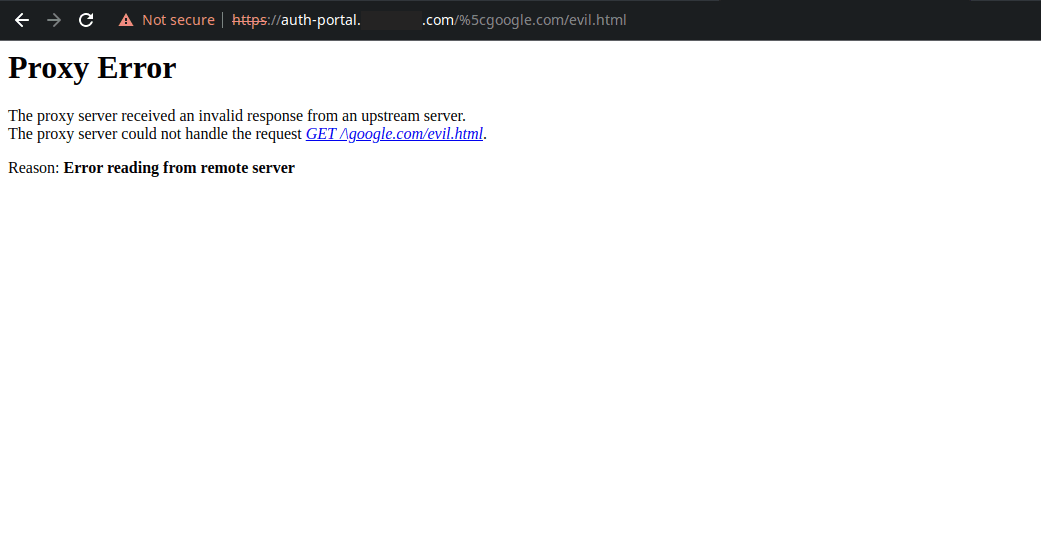
Why is This a Problem?
Exploiting this XSS vulnerability can lead to several security risks:
Malicious Redirection: Users can be redirected to phishing sites or pages containing malware.
User Trust: Exploiting such vulnerabilities can erode user trust in the website or service.
Information Disclosure: Attackers can craft URLs that harvest user data or credentials through social engineering.
How to Fix It
To mitigate this vulnerability, follow these steps:
Update Apache HTTP Server: Ensure that you are using the latest version of Apache HTTP Server, as this issue has been addressed in newer versions.
Proper Configuration: Ensure that the server and mod_proxy are properly configured to prevent the display of Proxy Error pages.
Sanitize Inputs: Implement input validation and output encoding to prevent malicious input from being executed in the context of error pages.
Security Headers: Use HTTP security headers like Content Security Policy (CSP) to mitigate the impact of XSS vulnerabilities.
Impact
The impact of this vulnerability includes:
Malicious Redirection: Attackers can manipulate error page links to redirect users to malicious websites.
Exploitation Conditions: This vulnerability is only exploitable when the server is misconfigured to display Proxy Error pages.
User Trust and Data: Successful exploitation can compromise user data and diminish trust in the affected website.
Cross-site scripting vulnerabilities can have severe implications for web security. It is crucial to ensure that web servers, including Apache HTTP Server, are regularly updated and properly configured to prevent such vulnerabilities. By following best practices in server configuration, input validation, and security headers, organizations can significantly reduce the risk of XSS attacks and maintain a secure web environment. Regular security audits and proactive measures are essential to safeguarding against such threats and maintaining user trust.